Developmental and Oncogenic Signaling


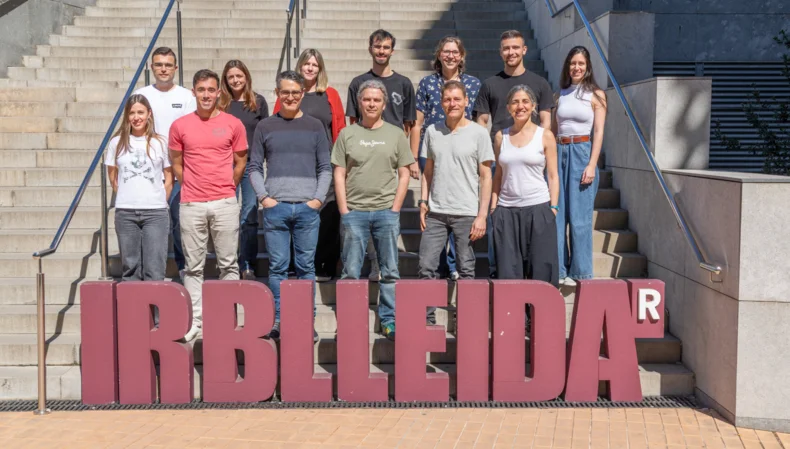
The team's goal is to study the molecular mechanisms that take place during embryonic development to form a complete and functional organism and how these mechanisms are affected in pathological situations such as cancer. We believe that if we know these mechanisms we will better understand how our organism functions and, moreover, we hope that this knowledge will lay the foundations for the design of new therapeutic approaches in different diseases.
We use genetically modified mice as an animal model for our studies. The advantage of this model is that it is a vertebrate with a physiology very similar to ours. The possibility of making genetic modifications allows us to evaluate the relevance, in vivo, of the molecular mechanisms that we study in development and to create animal models of pathological situations that allow us to better understand the disease and thus propose new therapeutic approaches. In our studies, we use different techniques that cover various levels of experimentation: from animal behaviour and the analysis of different tissues of these genetically modified mice using specialised microscopy to primary cell cultures, biochemical and molecular assays that include cutting-edge techniques in gene manipulation such as CRISPR/Cas technology.
In our research we have defined three study models: the embryonic development of the genitourinary system (coordinated by Dr. Encinas), the embryonic development of the nervous system (coordinated by Dr. Egea) and the generation of mouse models of endometrial carcinogenesis (coordinated by Dr. Dolcet). In this way we aim to have a broader and more integrative view of the molecular mechanisms involved in embryonic development and which, if affected, can give rise to diseases such as cancer.
